
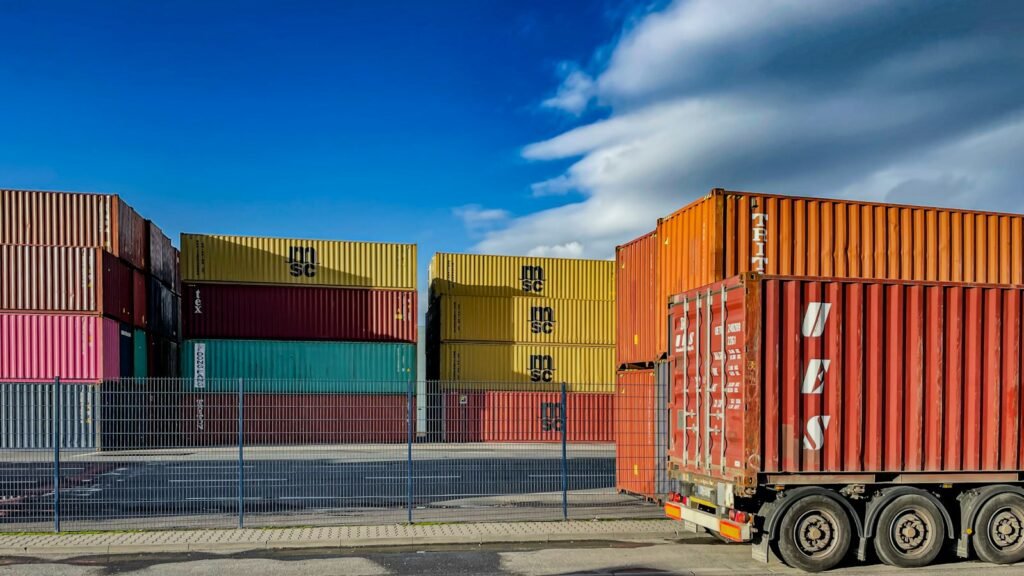
Most quality problems that appear at the destination port were set up on loading day. Dried seaweed is light, bulky and hygroscopic — it takes up moisture from the air — and it will spend weeks inside a steel box crossing climate zones. How it is packed, how the container is prepared and how the loading is documented all shape what the buyer opens at the other end.
Sacks or pressed bales?
Dried seaweed is usually shipped in one of two forms, and each has trade-offs:
- Loose in sacks: simpler, cheaper to pack and easier to sample sack by sack. The downside is poor use of container space, because dried seaweed is voluminous.
- Pressed into bales: compressed with a baling press and wrapped or strapped. Bales fit far more seaweed into the same container and are more stable to stack, but pressing requires equipment and makes sampling of the interior harder.
The choice affects freight cost per tonne as well as how the lot can be inspected. Agree it in the contract, together with bale or sack weight and marking, rather than leaving it to the supplier on the day.
Checks before the doors open
- Inspect the empty container. It should be clean, dry and odour-free, with no holes, rust patches letting light through, or damaged door seals.
- Confirm the lot. Sacks or bales loaded should match the lot that was sampled and approved, with the same markings.
- Check the weather. Loading in rain, or from a wet yard, brings moisture straight into the cargo.
- Re-check moisture if the lot has waited. Seaweed that was dry at sampling can pick up water in storage. Our explainer on moisture content covers how it is measured.
Protecting the cargo from moisture
The main enemy in transit is condensation, often called container rain. As a container moves between warm, humid ports and cooler waters, moisture in the air and in the cargo condenses on the steel roof and walls, then drips back onto the goods. With a hygroscopic product, the result can be damp patches, mould and caking.
Common precautions include lining the walls and floor with paper or cardboard, placing desiccant bags or strips in the container, leaving a little space at the top and making sure the seaweed itself is properly dried before loading. None of these fixes a lot that was loaded too wet. Good storage beforehand, in a dry and ventilated warehouse, is the real first line of defence.
Photos, seals and paperwork
A well-documented loading protects both parties if a claim arises later. Ask for:
- Photos of the empty container, including the interior and door seals.
- Photos at stages of loading, showing markings and stowage.
- A photo of the closed doors with the seal applied, showing the seal number.
- The container and seal numbers matched against the packing list and bill of lading.
- A pre-shipment inspection report, where one was agreed.
These records sit alongside the formal shipping documents described in our export documents checklist. The Incoterm you choose also decides when risk passes to you, which is why it matters whether you buy FOB, CFR or CIF.
Frequently asked questions
Is it worth attending the loading in person?
For a first shipment with a new supplier, attending or appointing an independent surveyor is sensible. Once trust is established, a clear photo record and inspection report are often enough.
Do desiccants solve moisture problems?
They help absorb moisture in the air inside the container, but their capacity is limited. They cannot compensate for seaweed that was too wet when it was loaded.
Who is responsible if the cargo arrives damp?
It depends on the cause, the Incoterm and the contract. Evidence from loading — moisture results, photos, seal numbers — is what allows the cause to be established fairly.
Working with Kospermindo
Kospermindo has a warehouse in the Makassar Industrial Estate (KIMA) and works in long-term partnerships with processors and exporters. Contact us to discuss logistics for your supply.