
Warehouse & receipts
Good storage turns a harvest into a tradeable asset. We store, grade and track seaweed — and help partners do the same.
More than storage
Every supply chain is different. Alongside our own warehousing we offer consultancy, planning, implementation and maintenance support: our team reviews how a partner stores and moves commodities today and recommends practical improvements.
- Supply chain management. Helping producers and buyers deliver seaweed that meets the market’s standards for cost, quality and on-time delivery.
- Warehouse Receipt System. Commodity owners can obtain financing secured by goods stored in a warehouse — without losing ownership of them.
- Traceability. Recorded identification at every step, so the history of each lot can be traced throughout its life cycle.
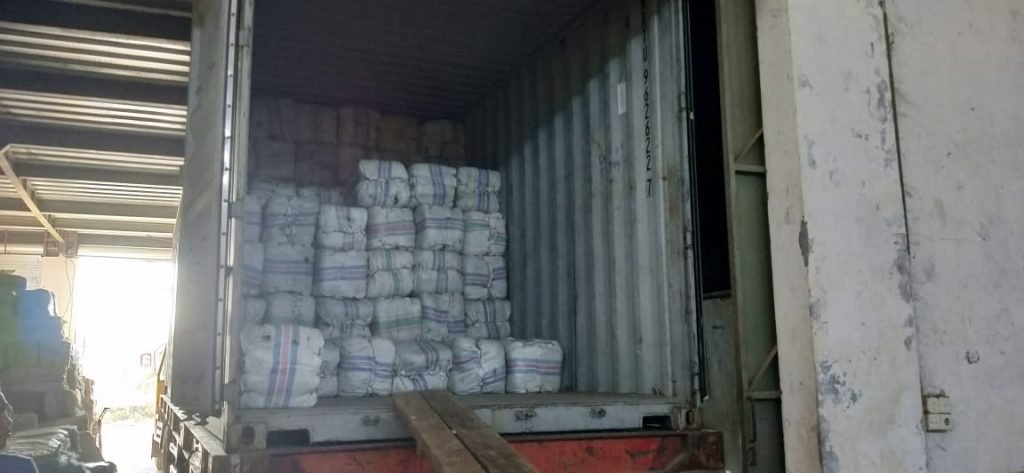
How a warehouse receipt works
Indonesia’s Warehouse Receipt System (Sistem Resi Gudang, SRG) lets farmers hold their harvest instead of selling at harvest-time prices, while still getting cash when they need it.
- Deposit. Dried seaweed is delivered to the warehouse and weighed.
- Grade. Quality is tested and recorded, and a warehouse receipt is issued to the owner.
- Finance. The receipt can be pledged as collateral for a loan from a financial institution.
- Sell or redeem. When the price is right, the owner sells the receipt or the goods, repays the loan and keeps the difference.