
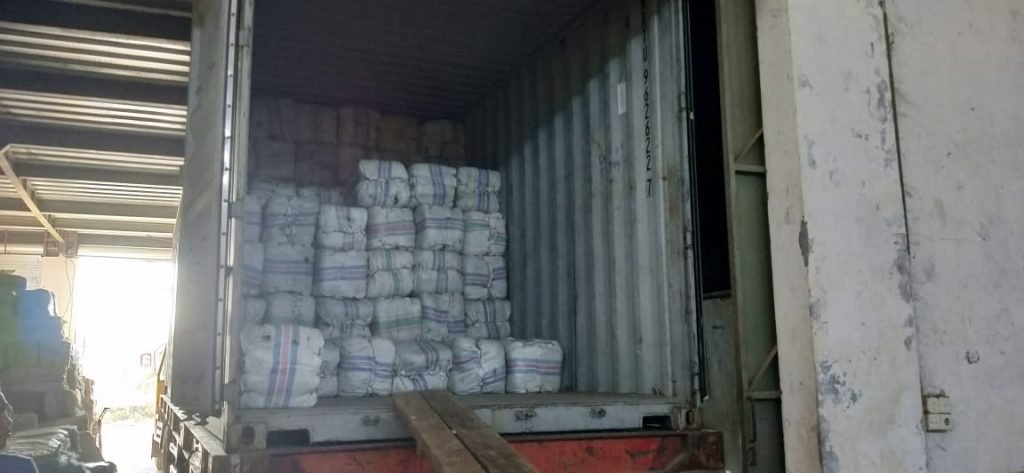
Dried seaweed is a commodity that rewards patience. Prices move with the season, with demand from carrageenan processors and with the weather along Indonesia’s coasts. Yet the farmers who grow it are usually the least able to wait: when the harvest is dry, the household needs cash, and the collector at the jetty sets the price.
Indonesia’s Warehouse Receipt System — Sistem Resi Gudang, or SRG — was designed to break that pattern. For buyers, processors and financial institutions looking at Indonesian seaweed, it is worth understanding how it works.
What the Warehouse Receipt System is
The SRG was established by Law No. 9 of 2006 and strengthened by amendments in Law No. 9 of 2011. It allows the owner of a registered commodity to deposit goods in an accredited warehouse and receive a warehouse receipt: a document of title that records the owner, the quantity and the quality of the goods in store.
Seaweed is one of the commodities eligible for the system, alongside staples such as rice, maize, coffee and cocoa. That makes the receipt a practical bridge between a coastal farmer group and the formal financial sector.
How a warehouse receipt works, step by step
- Deposit. Dried seaweed is delivered to the warehouse, weighed and stored.
- Grade. Quality is tested and recorded, and a warehouse receipt is issued to the owner.
- Finance. The receipt can be pledged as collateral for a loan from a bank or other financial institution.
- Sell or redeem. When the market is right, the owner sells the receipt or the goods, repays the loan and keeps the difference.
Why it matters to seaweed buyers
For a processor or exporter, the system is more than a farmer-support scheme. It changes the quality and reliability of supply:
- Graded, documented lots. Seaweed that has passed through a warehouse has a recorded weight and quality, which reduces disputes at delivery.
- Less panic selling. Farmers who can store and borrow do not have to dump wet or poorly dried seaweed on the market to raise cash, which tends to improve drying discipline over time.
- A clearer paper trail. Receipts create a record of origin and ownership that supports traceability requirements further down the chain.
Why it matters to lenders and investors
Agricultural lending in coastal areas is often held back by the absence of acceptable collateral. A warehouse receipt backed by a graded, insured commodity gives lenders something they can value. For impact investors and development finance institutions, it offers a way to put working capital into farmer groups without taking unsecured risk on individual households.
The role of cooperatives
A single smallholder rarely produces enough seaweed to make warehousing worthwhile. Cooperatives change the arithmetic: they aggregate harvests from many members, organise drying and delivery, and deal with the warehouse and the bank on the members’ behalf.
Kospermindo — Koperasi Serikat Pekerja Merdeka Indonesia — has worked with seaweed farmer groups in South and Central Sulawesi since 2002, combining farmer group centres, mentoring and savings and loan services with partnerships that give farmers a guaranteed market. Tools like the warehouse receipt are a natural extension of that work: they turn an organised harvest into an asset that can be financed.
Working with us
If you are a buyer looking for documented, consistent seaweed supply, or a financial institution interested in lending against stored commodities, we would like to talk. Read more about our warehousing and receipts, or contact our management team directly.