
A seaweed farmer spends weeks tending a crop and only a few days drying it. Yet those few days decide much of what the harvest is worth. Moisture, sand, salt and foreign matter are the most common reasons dried seaweed is downgraded — and almost all of them are introduced after the seaweed leaves the water.
From line to sack
Tropical red seaweed is typically harvested after around six to seven weeks of growth. The fresh harvest is heavy with water: it takes several kilograms of fresh seaweed to make one kilogram of dried product. Drying is usually done in the sun, over two or three days, on whatever surface is available — and that is where the problems begin.
What goes wrong
- Drying on sand or bare ground picks up sand and dirt that no amount of sorting fully removes.
- Rain and dew re-wet seaweed left uncovered, slowing drying and damaging quality.
- Under-drying to sell sooner adds weight the buyer later pays to remove — and can spoil in storage.
- Mixing lots of different species, harvest dates or dryness hides problems until the buyer tests the sack.
- Foreign matter — raffia ties, plastic, stones — ends up in the sack when cleaning is rushed.
What good drying looks like
- Raised platforms. Drying racks lifted off the ground keep seaweed clean and let air circulate.
- Cover at night and in rain. Simple tarpaulins protect days of work.
- Dry fully, not quickly. Patience at this stage is paid back at the scale.
- Clean before packing. Remove ties and foreign matter; shake out salt and sand.
- Pack clean and dry. Clean sacks, kept off wet floors, labelled by group and date.
Why this matters to buyers
For a processor, well-dried seaweed means fewer rejected lots, less weight lost in transit and more predictable yields in the plant. For a trader, it means fewer disputes at delivery. Buyers who reward good drying with a clear price difference get more of it.
Frequently asked questions
How long does it take to dry seaweed?
In good sun, usually two to three days on raised platforms. Wet weather can stretch that considerably, which is why covering the seaweed matters.
Why is seaweed dried on sand downgraded?
Sand and dirt stick to the seaweed and are hard to remove completely. They add weight the buyer does not want and reduce the yield of the final product.
Do buyers pay more for well-dried seaweed?
Buyers who test lots against a specification effectively do: clean, fully dried seaweed avoids deductions and rejections, and buyers with long-term programmes can reward it directly.
How farmer groups raise the standard
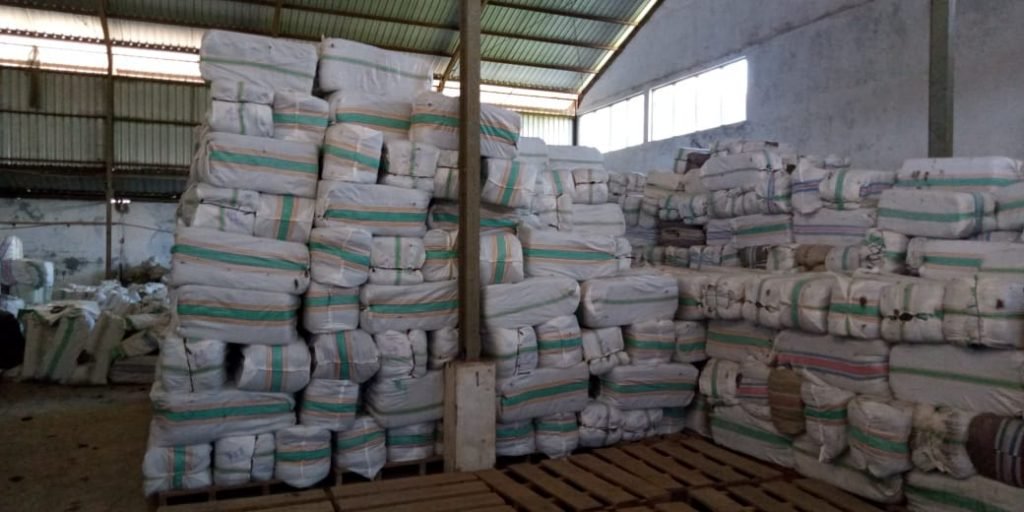
Individual farmers rarely have the capital for drying platforms or the incentive to change habits alone. Organised groups can share infrastructure, agree common standards, check each other’s work and negotiate the premium that makes better drying worthwhile. Storage in a proper warehouse — and access to finance through the Warehouse Receipt System — removes the pressure to sell wet seaweed for quick cash.
Kospermindo — Koperasi Serikat Pekerja Merdeka Indonesia — has supported seaweed farmer groups in South and Central Sulawesi since 2002 through Farmer Group Centres, mentoring and technical assistance. Talk to us about quality programmes with our farmer groups.