
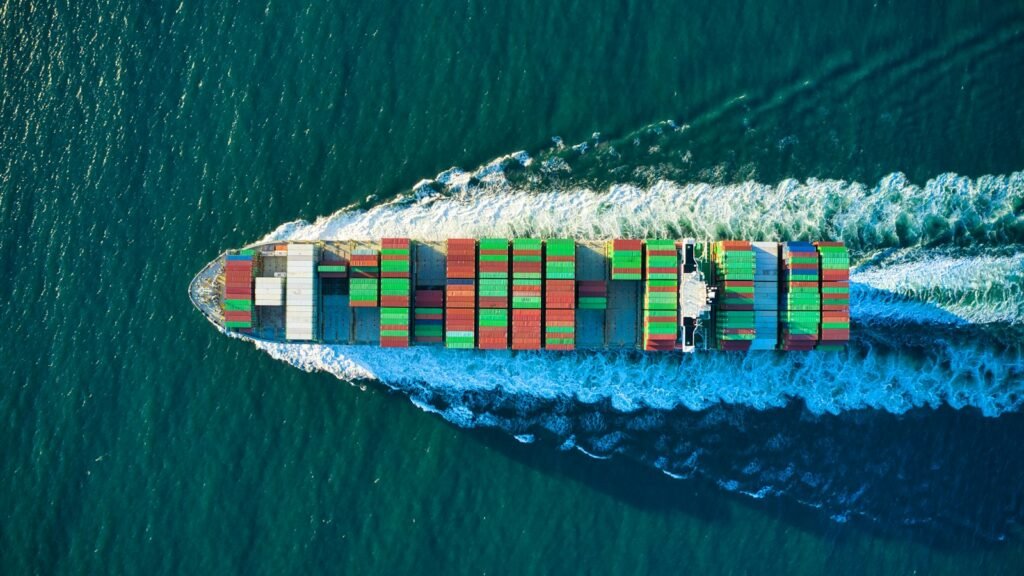
A sack of dried seaweed bought on an export contract has usually made several journeys before it reaches a container yard. In eastern Indonesia, where much of the tropical red seaweed is farmed around islands and scattered coastal villages, the physical movement of the crop is a real part of its cost, its quality and its delivery date. Buyers who understand the route plan better and argue less.
The typical route, leg by leg
Routes differ from one district to another, but most lots pass through a similar sequence:
- Farm to shore. Wet seaweed is brought in by small boat or carried from shallow off-bottom plots, then dried on platforms, racks or tarpaulins near the farmer’s home.
- Village to collection point. Dried seaweed is packed in sacks and moved by motorbike, pick-up or small boat to a collector, a farmer group or a cooperative collection point.
- Island to mainland. From outer islands, sacks travel on local wooden cargo boats or ferries to a larger harbour town.
- Harbour town to hub. Trucks or inter-island vessels take the consolidated volume to a regional hub. For much of Sulawesi and neighbouring areas, that hub is Makassar.
- Hub warehouse to export port. Lots are checked, sorted, sometimes re-dried or pressed, then loaded into containers for export or delivered to domestic processors.
Every transfer is a point where seaweed can pick up moisture, be mixed with another lot or lose weight records. Good logistics is as much about paperwork and handling as it is about transport.
Why consolidation in Makassar matters
Makassar combines a large container port, road links into South Sulawesi and regular shipping from islands further east. Consolidating there lets exporters build full container loads from many small village lots, run quality checks in one place and hold stock while documents are prepared. A proper warehouse at the hub also gives buyers a single point to inspect, sample and seal cargo before it leaves; see our notes on warehouse practices that protect quality.
Where delays and extra costs come from
- Weather and sea state: small boats do not sail in rough seas, and heavy rain slows drying upstream. Our article on planning supply around the monsoon covers this in more detail.
- Irregular sailings: some islands are served by vessels that run on loose timetables, so a lot can wait on the jetty for days.
- Double handling: each loading and unloading adds labour cost and the risk of torn sacks or wet cargo.
- Road conditions: rural roads can be slow or impassable after heavy rain.
- Port congestion and documents: at the export end, vessel schedules, container availability and document checks can add time even when the cargo is ready.
- Small lot sizes: moving many small quantities costs more per tonne than moving a few large ones, which is one reason aggregation by organised groups makes economic sense.
What buyers can do to reduce risk
A buyer cannot control the weather in the Flores Sea, but can make the chain more predictable. Build realistic lead times into contracts rather than assuming the dates of a single shipping leg. Ask the supplier where the lot will be consolidated and when it will be inspected. Agree on how moisture will be re-checked at the hub, because seaweed that was dry at the village can absorb humidity on an open boat deck. And ask how lots are identified between transfers, so that a problem found at the port can be traced back upstream.
At the final stage, the way a container is stuffed matters as much as everything that came before; our guide to loading a container of dried seaweed explains what to look for.
Frequently asked questions
Does inter-island transport affect seaweed quality?
It can. The main risks are moisture pick-up from rain, spray or humid holds, contamination from other cargo, and torn sacks. Covered storage, sound packing and a moisture check at the hub reduce these risks considerably.
Why not ship directly from the islands?
Most small islands lack container facilities and the volume to fill a container quickly. Consolidating at a hub port is usually the only practical way to build export-sized lots with consistent quality checks.
How should lead times be set in a contract?
Base them on the whole chain, not just the ocean voyage. Discuss with the supplier the normal time from purchase at village level to readiness at the hub, and allow extra margin in wet months when drying and sea transport both slow down.
Working with Kospermindo
Kospermindo, a cooperative based in Makassar, aggregates supply from organised farmer groups in South and Central Sulawesi and has a warehouse in the Makassar Industrial Estate (KIMA). To discuss routes and timing for your requirements, contact our team.