
Only part of every tonne of harvested seaweed ends up as carrageenan, agar or alginate. The rest leaves the chain as broken fragments, off-grade material, cleaning losses and processing residues. Finding a use for these streams can reduce waste and add small amounts of income, but the options are more modest and more technical than some circular-economy claims suggest. This article follows the residues from sea to factory and looks at what can realistically be done with them.
Where residues arise
- At the farm. Fragments break off during harvest, epiphytes and other unwanted algae are stripped from lines, and diseased or grazed material is removed. Some of this washes ashore or is discarded near landing points.
- During drying and sorting. Sweepings from drying platforms, material that was rained on and spoiled, and small broken pieces rejected at collection all form a low-value stream, often mixed with sand.
- At the warehouse. Dust, fines and sweepings accumulate during pressing, re-bagging and loading.
- In processing. Extraction leaves insoluble residue: mostly cellulose and other plant material, and in refined processes often mixed with filter aids. Semi-refined processing leaves wash water carrying salts and alkali that needs treatment.
What the residues can be used for
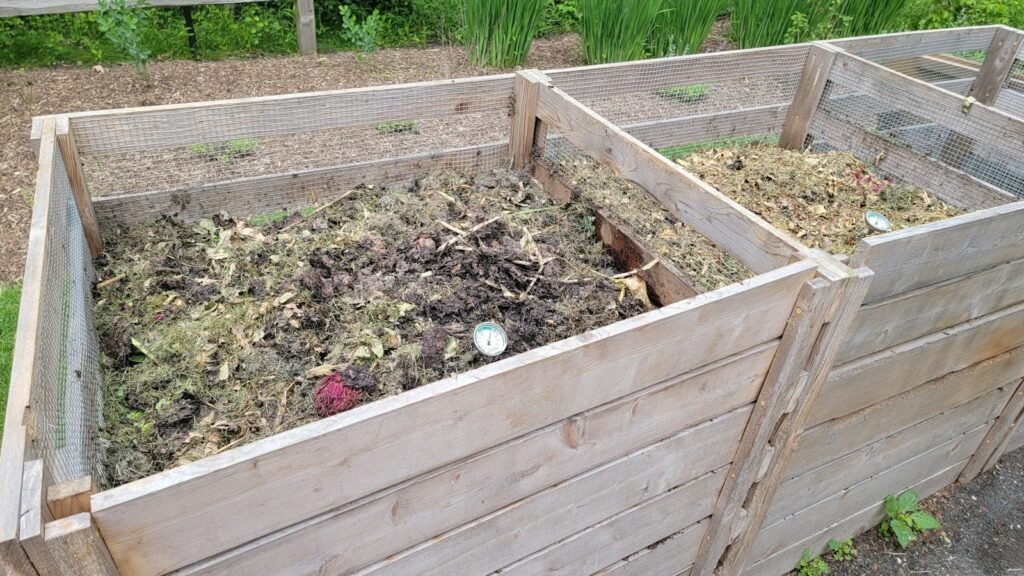
- Compost and soil conditioning. Seaweed has long been used on fields in coastal areas. Fresh or composted material adds organic matter and some minerals. Salt content is the main limitation; residues usually need rinsing or careful blending before use on sensitive crops.
- Plant biostimulant raw material. Some seaweed species are processed into liquid extracts for agriculture. Residues from hydrocolloid extraction are a different material, and any agricultural use has to be tested on its own merits. Our article on seaweed biostimulants explains why claims in this area need care.
- Animal feed ingredients. Seaweed meal is used in some livestock and aquaculture feeds, and carrageenan is common as a binder in wet pet food, as covered in seaweed in pet food and animal feed. Processing residues can only enter feed if they meet feed-safety rules, including limits on contaminants and on residues of processing chemicals.
- Materials research. Cellulose-rich residues are studied for use in films, fibres and composites. This work is promising but mostly at research or pilot stage; our review of seaweed-based packaging sets out the gap between prototype and scale.
- Energy. Anaerobic digestion of seaweed and its residues has been researched, but high salt and moisture content make it harder than land-based biomass.
Practical limits worth stating plainly
Residues are scattered, wet, salty and variable. Collecting them costs money, and in many cases the value of the end product is lower than the cost of moving the material. Processing residues from extraction plants are more concentrated and consistent, which makes them the most realistic stream for reuse, but they are controlled by processors rather than by farmers or traders. Treating wash water and solid residue responsibly is often a legal obligation before it is a business opportunity.
It is also worth separating two ideas that are often merged. Reducing losses upstream, through better harvesting, drying and storage, keeps more of the crop in its most valuable use. Finding outlets for residues deals with what is left. The first usually delivers more value than the second.
What buyers and partners can ask
For companies reporting on waste and circularity, useful questions include: what happens to off-grade material at collection points; whether processors have a documented route for extraction residues and effluent; whether any residue enters feed or agricultural products, and under which approvals; and whether claims about “zero waste” are supported by records. Honest answers here are more credible than broad statements, and they fit the resource-light profile of seaweed described in a low-input crop.
Frequently asked questions
Can off-grade dried seaweed still be sold?
Sometimes, at a lower price and to buyers whose products tolerate it, but mixing off-grade material into standard lots undermines trust. Keeping it separate and declared is the better practice.
Is seaweed residue a good fertiliser?
It can add organic matter and some nutrients, but results depend on the material, its salt content and the crop. It should be tested locally rather than assumed to perform like a commercial fertiliser or biostimulant.
Who is responsible for processing residues?
Normally the processor, under its environmental permits. Buyers of refined or semi-refined carrageenan can ask how residues and effluent are handled as part of their supplier assessments.
Working with Kospermindo
Kospermindo aggregates dried seaweed from organised farmer groups and works in long-term partnerships with processing factories and exporters. To discuss raw material or partnership ideas, visit our partnership page.