
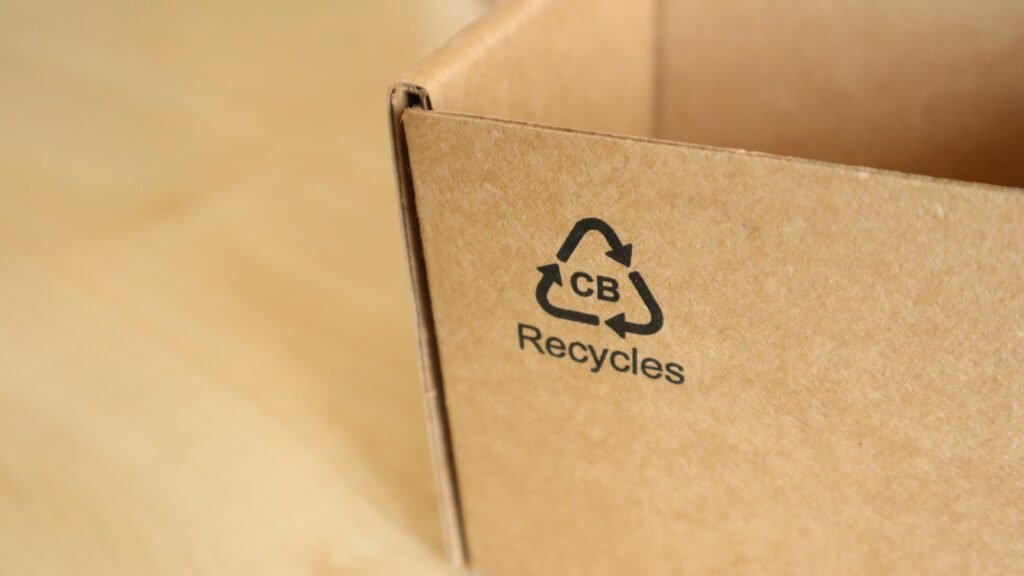
Seaweed-based packaging is one of the most talked-about new uses for seaweed. Edible sachets, dissolvable films, coatings for paper and trays made from seaweed all appear regularly in the news and at innovation fairs. Some of these products are real and on sale. But the gap between a promising prototype and a material that replaces conventional plastic at scale is wide, and buyers, investors and farmers are better served by a clear view of both sides.
How seaweed becomes a film
Most seaweed packaging relies on the same polysaccharides that the food industry already uses as thickeners and gelling agents. Carrageenan from red seaweeds, alginate from brown seaweeds and agar can each form thin films when dissolved, cast or extruded and dried, usually with plasticisers such as glycerol to make them flexible. Some developers use the whole seaweed, ground and processed, rather than an extract, which can reduce cost and waste. The results range from clear, edible films to stiffer, paper-like materials.
Promise and reality, side by side
- Promise: made from a renewable crop. Reality: true, and tropical red seaweed is grown without feed, fertiliser or freshwater. But extraction still uses energy, water and chemicals, so the whole process needs assessing, not just the farm.
- Promise: biodegradable or home-compostable. Reality: many seaweed materials do break down readily, but claims depend on the full formulation, including coatings and additives, and on the conditions of disposal. Specific claims need testing against recognised standards.
- Promise: edible packaging. Reality: possible for some uses, such as sachets that dissolve in cooking or drinks, but edible packaging must meet food safety rules and hygiene expectations that ordinary packaging does not.
- Promise: a replacement for plastic. Reality: seaweed films are sensitive to water and humidity and are usually weaker than conventional plastics. They suit particular niches, such as dry goods, single-use sachets and coatings, rather than general packaging.
- Promise: new income for seaweed farmers. Reality: potentially, but volumes are small today compared with food and industrial uses, and farmers benefit only if the value chain passes some of the margin back.
What limits scale and cost
Several obstacles recur whenever seaweed packaging moves from the laboratory to the market:
- Price. Conventional plastics are produced in enormous volumes at very low cost. Seaweed materials usually cost more, and customers must be willing to pay for the difference or regulations must change the comparison.
- Performance. Moisture resistance, strength and shelf life are hard to match, and improving them often means adding coatings that complicate biodegradability.
- Manufacturing. Existing packaging lines are built for plastics. New materials may need new equipment or careful adaptation.
- Raw material supply. Packaging would compete with established food and industrial buyers for the same seaweed, and would need the same consistency and traceability they demand.
- Regulation and claims. Food contact rules, compostability standards and green-claims rules vary by market and take time to satisfy.
A realistic outlook
The most likely path is gradual growth in specific niches rather than sudden replacement of plastic. That still matters: niche products can prove the technology, attract investment and build demand for well-produced seaweed. For farmers and cooperatives, the practical lesson is the same as for any new market. Buyers will want reliable volume, clear specifications and documented origin. Investors weighing the opportunity may find useful context in investing in Indonesia’s seaweed blue economy.
Frequently asked questions
Is seaweed packaging already on the market?
Yes, in limited forms such as edible sachets, films and coatings made by specialist companies. It is not yet a mainstream replacement for everyday plastic packaging.
Which seaweed is best for packaging?
It depends on the material. Carrageenan, alginate and agar each give different film properties, and some developers use whole seaweed. Tropical red seaweeds such as cottonii are one of several possible sources.
Does seaweed packaging help the climate?
It may reduce reliance on fossil-based plastic in some uses, but the overall effect depends on the whole life cycle, including processing and disposal. Claims should be based on a proper assessment rather than assumed.
Working with Kospermindo
Kospermindo aggregates seaweed from organised farmer groups in South and Central Sulawesi and works through long-term partnerships with processors and exporters. To discuss raw material for new applications, contact us.