
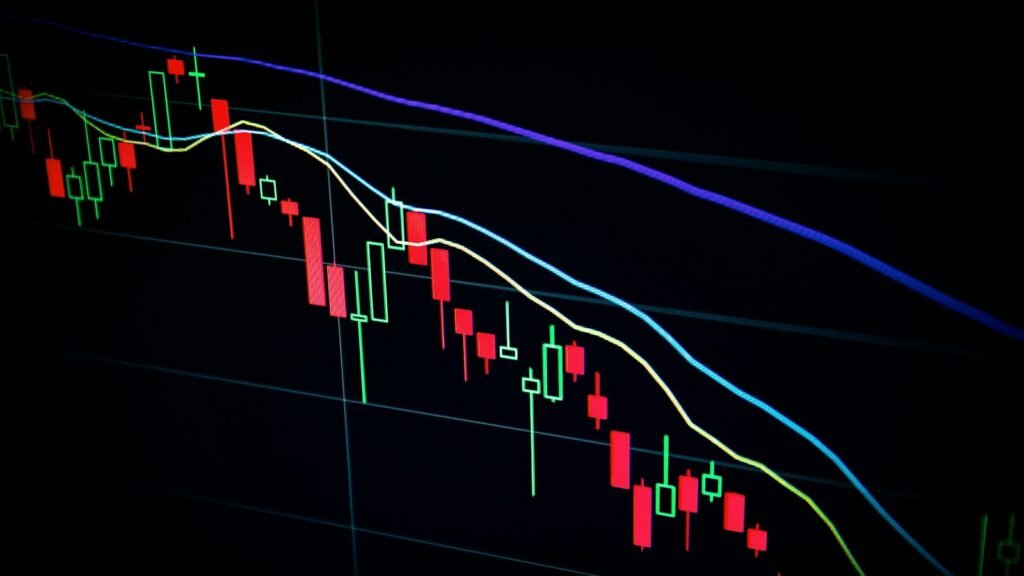
Anyone who has bought or sold dried seaweed for more than a few seasons has seen prices move sharply, sometimes within weeks. The swings are not random. They come from a small number of recurring forces: weather and disease on the supply side, changes in processor demand, and a chain in which information travels slowly and unevenly. Understanding those forces will not remove volatility, but it helps buyers and farmers plan for it.
Supply shocks
Seaweed is grown in open water by very large numbers of smallholders, so production responds quickly to conditions at sea and on shore.
- Weather: long rainy spells slow drying and reduce the amount of saleable seaweed even when the crop in the water is healthy.
- Disease: outbreaks of ice-ice and epiphytes, often linked to warm, calm water or low salinity, can cut harvests across a whole area. Because many farms share the same water, losses tend to arrive together rather than being spread out.
- Planting decisions: when prices are high, farmers expand; when prices fall, they reduce planting or switch to other work. Because the growing cycle is short, supply responds within months, which can overshoot in both directions.
- Seedling quality: degraded planting material lowers yields and makes crops more vulnerable to stress.
We discuss how the wet and dry seasons affect supply in monsoon and drying.
Demand shifts
On the other side, demand comes from a relatively concentrated group of processors. When several of them build stock at once, or when a large processing region changes its buying pattern, prices at the farm gate respond. Changes in end markets for carrageenan and agar, currency movements and freight costs all feed through to what processors are willing to pay for raw seaweed.
Information gaps and speculation
In many areas, farmers learn prices from the collector who buys from them and have little independent information. Traders further along the chain see more of the market. That imbalance means price rises may reach farmers slowly while falls arrive quickly, and rumours of shortage or surplus can move prices before real supply changes. Some traders hold stock in anticipation of rising prices, which amplifies short-term movements.
The role of collectors is covered in village collectors in the seaweed chain.
What reduces the damage
Volatility is a feature of agricultural commodities, but some approaches make it easier to live with. The practical options, roughly in order of how much commitment they require:
- Better information. Shared, timely price information helps farmers make planting and selling decisions and reduces the scope for rumour-driven swings. This is one aim of the planned e-Seaweed platform discussed with the Regent of Takalar and the ILO, described in our news report.
- Storage. Well-managed warehousing lets sellers avoid forced sales at the bottom of the market and lets buyers hold buffer stock.
- Spreading purchases. Buying across several months and more than one area smooths out local shocks.
- Longer-term agreements. Contracts with agreed quality, volume ranges and a price mechanism reduce the incentive to chase spot prices on both sides.
Our guide to long-term supply contracts with farmer groups sets out how such agreements can be structured.
Frequently asked questions
Can anyone predict seaweed prices?
Not reliably. Seasonal patterns and reports of disease or weather give useful signals, but the combination of many small producers and concentrated demand makes precise forecasting difficult.
Do high prices always help farmers?
Not necessarily. Sharp rises can encourage early harvesting and rushed drying, lowering quality, and are often followed by falls after farmers expand. Stable, fair prices are usually more useful to farm households than short spikes.
Should buyers avoid the spot market entirely?
Spot purchases have a place for topping up supply. Relying on them alone, though, leaves a buyer fully exposed to swings in both price and availability.
Working with Kospermindo
Kospermindo aggregates supply from organised farmer groups in South and Central Sulawesi and maintains long-term partnerships with factories and exporters. Read about partnering with us.