
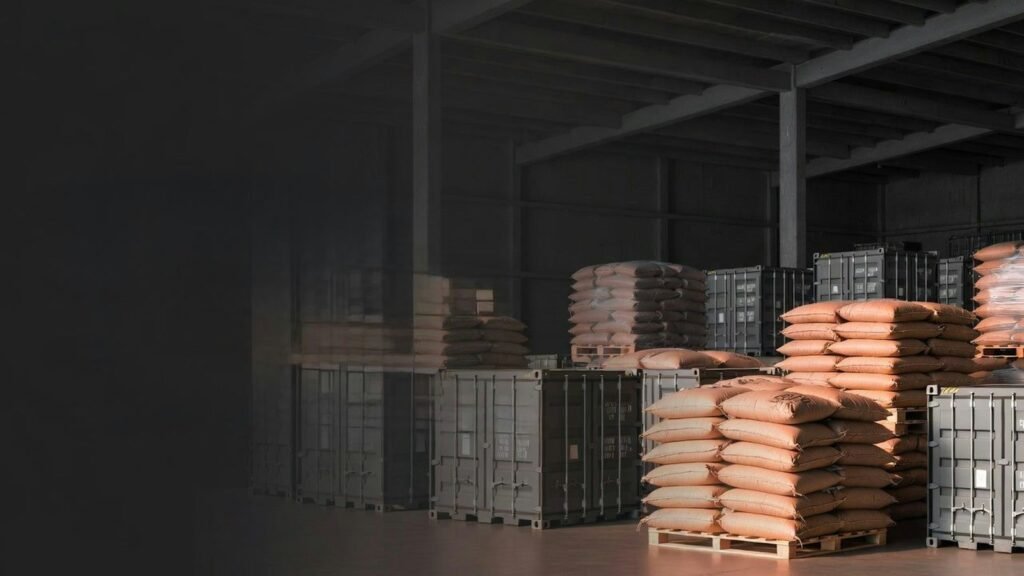
Most disputes over dried seaweed quality are not really about the laboratory. They are about the sample. A test for moisture or clean anhydrous weed measures a few hundred grams of material, and that result is then applied to a lot weighing many tonnes. If the sample does not represent the lot, the figure is wrong however carefully the test is done.
Why Seaweed Is Hard to Sample
Dried seaweed is far from uniform. A single lot may combine harvests from several farmers or groups, dried on different days in different weather. Within one sack, seaweed near the surface may be drier or wetter than seaweed in the middle, and sand and salt tend to settle towards the bottom. Sacks at the edge of a stack may have picked up moisture from the air or the floor.
Typical mistakes follow from this:
- Taking seaweed only from the most accessible sacks at the front or top of a stack.
- Taking a handful from the top of each sack rather than from its full depth.
- Using a sample the seller selected in advance.
- Leaving the sample in an open bag, so that it dries out or absorbs moisture before testing.
- Failing to record which sacks were sampled, making it impossible to repeat or check the work.
A Step-by-Step Sampling Method
Formal standards and inspection companies have their own detailed procedures, and the contract should say which one applies. The general logic is the same:
- Agree the plan first. Buyer and seller should agree, before loading day, how many sacks will be sampled, who will do it and which test methods apply.
- Select sacks from across the lot. Choose sacks at random from different positions in the stack: top, middle, bottom, edges and centre. Where possible, open up the stack rather than sampling only what can be reached.
- Sample through the full depth. From each selected sack, take portions from the top, middle and bottom, by hand or with a suitable probe.
- Combine and mix. Put all portions together on a clean surface or in a clean container to make a composite sample, and mix thoroughly.
- Reduce the sample fairly. If the composite is too large, divide it by a method such as quartering: spread it, split it into four, keep two opposite quarters and repeat.
- Split into identical sub-samples. Typically one each for the buyer, the seller and a reserve for any dispute.
- Seal and label immediately. Use airtight bags, seal them in front of both parties where possible, and label each with the lot number, date, place and sampler.
- Record everything. Note which sacks were sampled, the weather, and any visible defects.
Keeping Samples Honest After Sampling
Moisture is the parameter most affected by poor handling. A sample left in the sun or in an air-conditioned office will not give the same moisture reading as the lot it came from. Samples for moisture testing should be sealed straight away and tested promptly. Our article on how moisture is measured explains why the method matters as well. The same care applies to samples for clean anhydrous weed tests.
Reserve samples should be stored in a cool, dry place for an agreed period, long enough to cover the voyage and the buyer’s arrival testing.
Pre-Shipment Inspection
Many buyers, especially when working with a new supplier, appoint an independent inspection company to sample and test at the warehouse or port before loading. The inspector can also check sack counts, weights, marking and container condition. This does not remove the need for the buyer’s own tests, but it gives both sides an agreed reference point. Warehouse storage with lot separation, as described on our warehouse page, makes this kind of inspection far more straightforward. For the wider picture, see our guide to traceability.
Frequently asked questions
How many sacks should be sampled?
It depends on the lot size, the standard used and how variable the seaweed is. The number should be agreed in the contract or follow the inspection company’s procedure, not decided on the day.
Can a seller’s pre-shipment sample be trusted?
It is useful as a guide, but it may not represent the whole lot. A sample drawn jointly or by an independent inspector from the actual lot at loading is much more reliable.
What happens if buyer and seller results differ?
Contracts often provide for the sealed reserve sample to be tested by an agreed third-party laboratory, with that result being final.
Working with Kospermindo
Kospermindo aggregates supply from organised farmer groups and has a warehouse in the Makassar Industrial Estate (KIMA). Contact us to discuss sampling and inspection arrangements.