
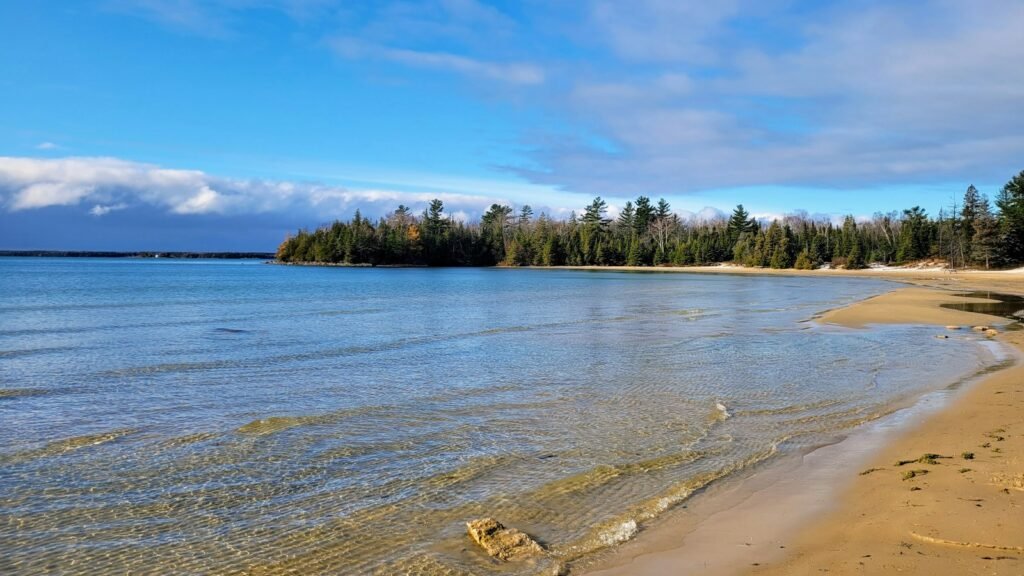
The site is the one decision on a seaweed farm that is hard to undo. Seedlings can be replaced and ropes repaired, but a farm placed in stagnant, muddy or exposed water will struggle every cycle. Good site selection balances three physical needs — water, depth and shelter — against the other people and ecosystems that share the coast.
The physical checklist
A site that suits Kappaphycus and Eucheuma usually meets most of the following conditions. None is decisive alone; the combination is what counts.
- Steady water movement from tides or currents, enough to refresh nutrients and keep plants clean, but not so strong that it breaks branches or drags lines.
- Clear, full-strength seawater, away from river mouths and drains that bring sediment and fresh water after rain.
- Suitable depth for the chosen system: shallow, firm-bottomed reef flats for off-bottom stakes, or somewhat deeper water for floating long-lines, with plants never exposed at the lowest tides.
- Shelter from open-sea swell provided by a bay, lagoon, reef or island, particularly in the stormy season.
- A sandy or rubble bottom rather than live coral or dense seagrass, which farm structures and trampling can damage.
- Clean surroundings, well away from sewage, harbours and industrial discharge.
- Practical access to a landing beach and space to dry the harvest off the sand.
The science behind these criteria is explained in tides, currents and light, and the choice of farming system in long-line vs off-bottom farming.
Conflicts with other uses
Coastal water is rarely empty. A promising site may already be used or valued by others, and ignoring that creates problems later.
- Navigation: lines across boat channels or landing routes cause accidents and disputes.
- Fishing: farms can block traditional fishing grounds or be damaged by nets.
- Tourism: beaches and dive sites may be earmarked for other development.
- Conservation: protected areas, coral reefs and seagrass meadows may be off limits or require special care.
- Neighbouring farms: overcrowding reduces water flow for everyone and can help disease spread.
Permits and spatial planning
In Indonesia, the use of coastal and marine space is subject to national and provincial regulation, including zoning plans that allocate areas to aquaculture, fishing, conservation, shipping and other uses. The detailed rules and procedures have changed over time and differ between regions, so farmers and investors should confirm the current requirements with local fisheries and marine affairs offices before building.
For smallholders, the practical steps usually run like this:
- Check with village leaders and the local fisheries office whether the area is designated for aquaculture.
- Agree boundaries with neighbouring farmers and other users to avoid disputes.
- Obtain whatever permits or registrations apply for the location and scale of the farm.
- Record the site so that future harvests can be traced to it.
What this means for buyers
Buyers do not choose farm sites, but site quality shows up in their raw material. Farms in well-flushed, clean water tend to produce healthier seaweed with fewer impurities. Asking a supplier where its farmer groups farm, and how sites were chosen, is a reasonable part of due diligence.
Frequently asked questions
Can a poor site be improved?
Only a little. Changing line depth, spacing or system can help at the margins, but water movement, clarity and exposure are largely fixed. Moving to a better site is often the more effective answer.
Is it acceptable to farm over seagrass?
It is generally discouraged. Stakes, shading and trampling can damage seagrass, which is important habitat. Sandy or rubble areas nearby are usually preferred.
Who decides which areas can be farmed?
Formal allocation rests with government through spatial planning and permits, while day-to-day arrangements between users are often settled at village level. Both matter for a stable farm.
Working with Kospermindo
Kospermindo has supported seaweed farmer groups in South and Central Sulawesi since 2002 with mentoring and technical assistance. Practical cultivation notes are on our Eucheuma cottonii page, or contact us to learn more.